

Nutrition evidence, read plainly
What Fruit Does for Men's Long-Term Wellbeing
This page is about what the nutrition literature actually says when it looks at fruit and men's health over years, and what it does not say. The gap between those two things is wide, and most of the confusion around fruit comes from closing it too fast.
How This Research Is Usually Done
Most of the useful evidence comes from cohort studies. Researchers follow large groups of people for years, record what they eat, and compare health outcomes between people who ate more fruit and vegetables and people who ate less. That design can show associations. It cannot show that any single fruit caused a specific outcome in a specific person.
This matters because headlines flatten the difference. A study can report that a dietary pattern was linked with better cardiovascular outcomes across a population without saying anything about what a banana will do for you this month. Reading the study design before the result is the habit that stops most of the misunderstanding.
Reading order for a study
Who was followed, and for how long — cohort studies run over years, not one season.
What was recorded — intake across a whole diet, or one food isolated from everything else.
What was compared — groups of people, not individual outcomes for one reader.
Whether the language says "linked with" or "causes" — those two words are not interchangeable.
What Mainstream Guidance Agrees On
There is broad agreement that a diet rich in fruits and vegetables is linked with lower blood pressure and lower risk of heart disease and stroke. Guidance also notes benefits for eye and digestive health and for blood sugar management. These are pattern-level statements, supported by a body of research rather than one result.
Where fruit sits inside the pattern
Vegetables, whole grains, legumes
The bulk of the pattern. Fruit joins them; it does not replace them.
Fish and nuts
Also part of the same eating pattern in most of the guidance reviewed.
Fruit is one part of that pattern. It sits alongside vegetables, whole grains, legumes, fish, and nuts. Removing fruit from the picture does not break the pattern, but it also does not improve it. Guidance also notes benefits for eye and digestive health and for blood sugar management, and those notes are written about the pattern as a whole rather than about any one fruit.
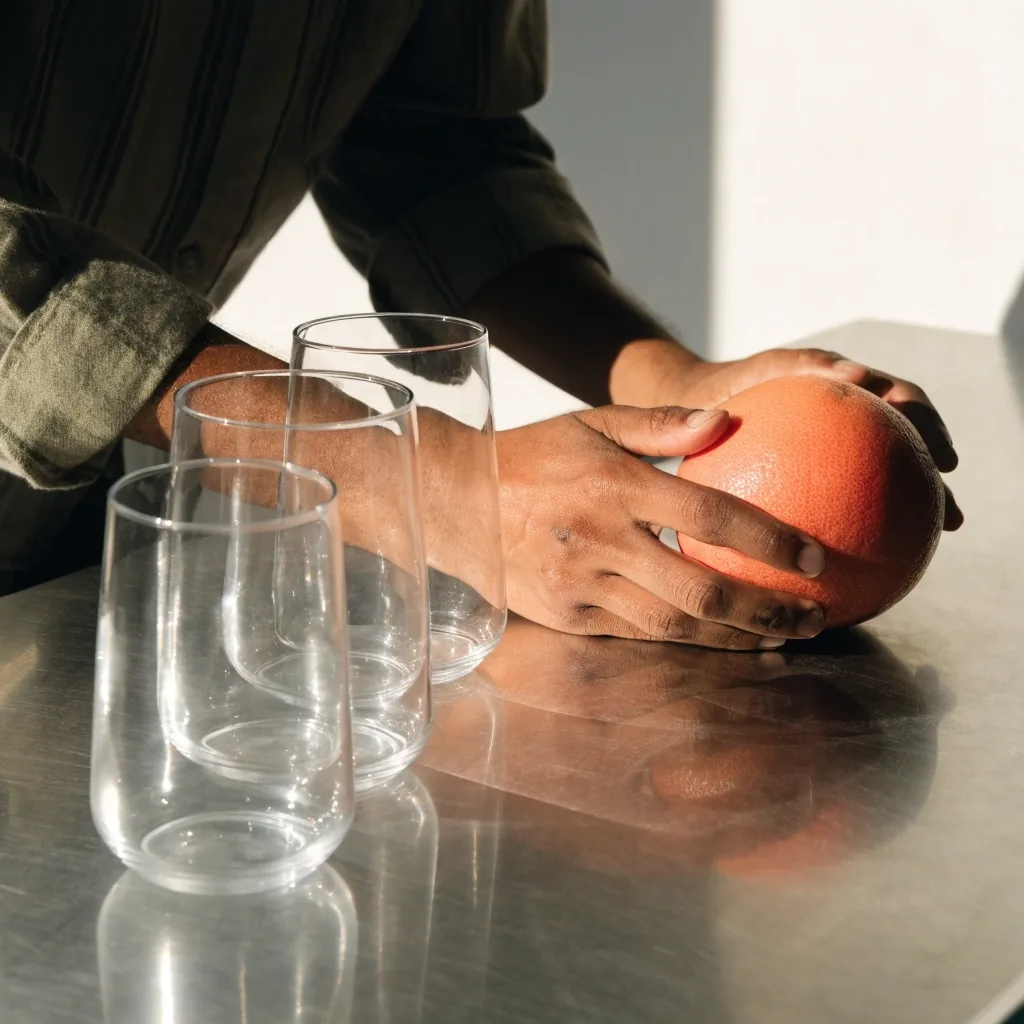
Where Fruit Fits and Where It Doesn't
Fruit is not a single-food answer to anything. If a man eats mostly processed food and adds an apple, the apple does not offset the rest. What changes outcomes in the research is the whole eating pattern sustained over time, and fruit is a reliable part of that pattern because it is easy to add and hard to overthink.
The honest framing is this: fruit is one of the easier improvements available, not a substitute for the others. A man who already eats well gains little from chasing a specific fruit, and a man who eats poorly gains little from adding one on top of a diet that stays the same.
Two different questions
Can fruit be part of a better overall pattern?
Yes, and it is one of the easiest parts to add, because it needs no cooking and no special shopping trip.
Does one fruit change one outcome for one person?
The studies do not show that, and any page claiming otherwise is reading past the design of the research.
Antioxidants, Polyphenols and Flavonoids
Fruit contains antioxidant compounds including polyphenols and flavonoids. These are the substances most often discussed in consumer coverage of fruit. The laboratory explanation is that they interact with oxidative processes in the body. What that means for a person eating three portions a day is less clear, and research has not pinned down a precise amount that delivers a specific effect.
So the sensible position is that eating a variety of fruit gives you a range of these compounds, and variety is more useful than fixating on one fruit. That is a modest claim, and it is the one the evidence supports. It also explains why the pages that rank fruit by compound content tend to overstate what the ranking is worth.
What the research actually supports
Varying your fruit
A mixed weekly basket covers a wider range of these compounds than one favourite repeated.
Whole fruit rather than a capsule
Whole fruit arrives with fiber and water, which isolated antioxidant supplements do not carry.
Consistency across the week
The dietary patterns studied are weeks and years long, not single standout days.
Dietary Patterns and Male Reproductive Health
Some recent review literature has looked at fruit as part of dietary patterns associated with male reproductive health. Those reviews consistently place fruit alongside fish, vegetables, legumes, cereals, and low-fat milk rather than treating it as a standalone factor.
What the reviews group together
That framing is important. The discussions are about overall diet quality, not one-food effects, and they do not support the claim that eating a particular fruit changes anything by itself. When a review lists five food groups, it is describing the shape of an eating pattern rather than ranking ingredients inside it.
Read that way, the reproductive-health reviews say something modest and consistent with the rest of this page: diet quality is studied as a whole. Fruit is one marker of a better-quality diet because it tends to travel with the other foods on the list, not because it carries a special effect of its own.
If you have personal concerns in this area, the sensible step is to talk them through with a qualified professional who can look at your own situation.

Nothing on this page asks you to eat more fruit than you already could. It asks you to stop expecting one fruit to carry the whole diet, and to keep the habit steady across months rather than weeks.
What Cohort Studies Found About Fruit and Prostate Outcomes
Large cohort research has examined fruit intake alongside longer-term men's health outcomes. One well-known study found that total fruit intake was not linked to overall prostate cancer risk in that cohort. Other research has linked higher fruit and vegetable intake with cardiovascular outcomes.
Taken together, these results argue for a balanced reading. Fruit is part of a broader pattern, and the pattern is what researchers keep finding. That is not a disappointing result. It is just a specific one, and it is the reason a page like this one spends its words on study design instead of on a wonder-fruit list.
The Erectile Function Angle, Handled Carefully
Some consumer health coverage has reported research linking antioxidant-rich fruit patterns with lower risk in this area. That coverage typically highlights berries, apples, pears, and citrus, and it emphasizes diet patterns rather than single-food effects. It is a legitimate example of how health media translates research, and it is a good illustration of the limits too.
The finding relates to a pattern across a population. It does not describe what any fruit will do for an individual man, and it should not be read as a promise of any outcome. Men with concerns in this area should speak to a qualified professional.
Reported in consumer coverage — read as a pattern-level association, never as an outcome for one person.
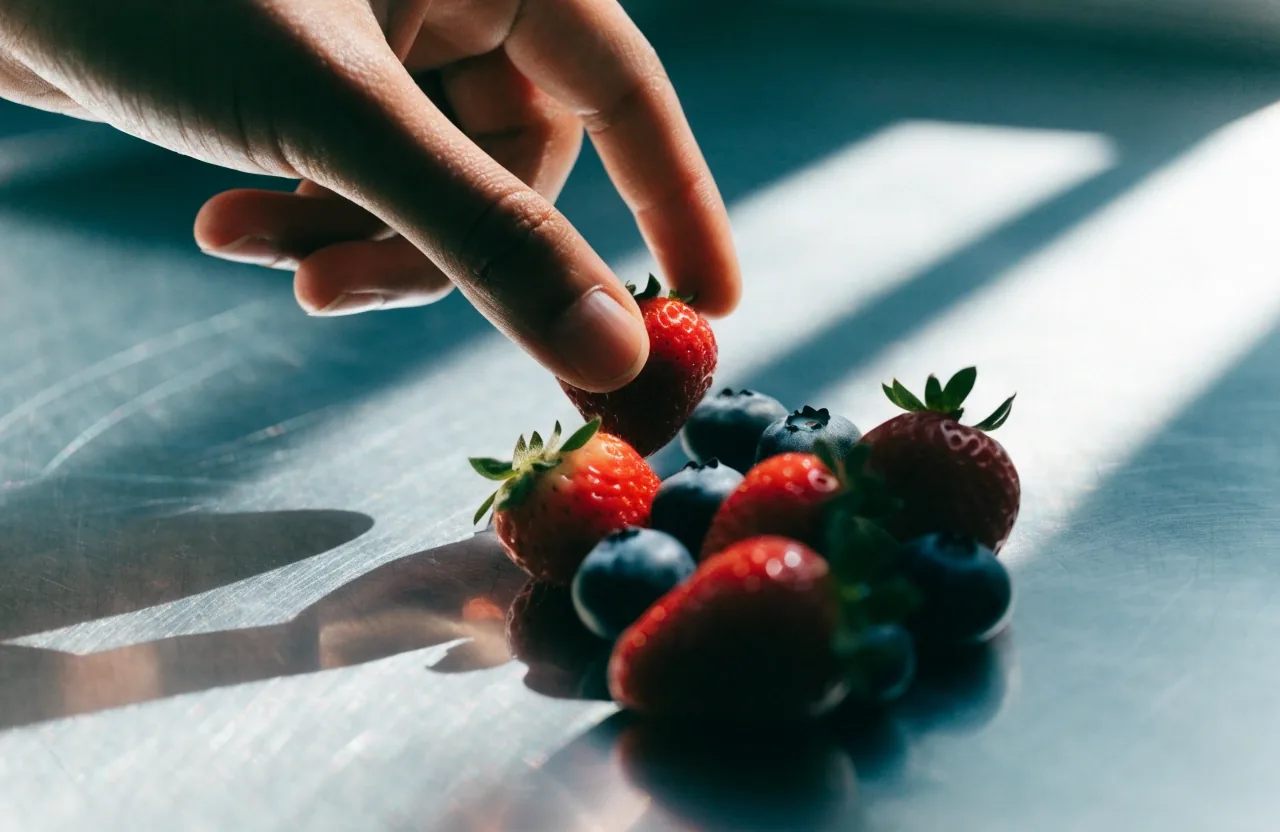
berries · apples · pears · citrus
The fruit names in that coverage describe a pattern, not a prescription.
Reading Nutrition Headlines Without Getting Fooled
Three habits help. First, check whether the study was in people or in a laboratory, because the two are often conflated in headlines. Second, check whether the finding was about a food or a dietary pattern, since most reliable results are about patterns. Third, check whether the language is "linked with" or "causes," because those words are not interchangeable.
1
People or laboratory?
Cells in a dish and men eating lunch are different kinds of evidence, and headlines rarely say which one they mean.
2
Food or pattern?
Most results that hold up are about an eating pattern, with fruit included among several food groups.
3
Linked with, or causes?
Those two words carry different weight. A swap in a headline changes what the study is allowed to claim.
If a headline promises a specific outcome for one fruit, treat it as a signal to read the underlying description, which will usually be more cautious. Our own method for checking sources and dating updates is written out on the research page, and you can compare single fruits against each other in the variety guide.
What to Take Away
Eat fruit most days as part of a broader diet with vegetables and other whole foods. Aim for variety rather than volume of one type. Do not expect any single fruit to change a specific health outcome. Do not dismiss fruit because it is not a solution to everything.
That is the whole position. It is boring, and it matches what the evidence actually supports. If you want the practical side of it, the portion guidance is written out on the everyday habits page, and the variety guide covers what changes between berries, citrus, melons, and stone fruit.
Where to go next
Questions readers ask about this page
Does fruit reduce the risk of specific diseases?
Diets rich in fruit and vegetables are linked with lower blood pressure and lower risk of heart disease and stroke in population research. That is a pattern-level association, not a claim about any individual fruit or person.
Is one fruit better than another for men's health?
No single fruit stands out as superior in the evidence. Variety across berries, citrus, apples, pears, melons, and other fruits is more useful than relying on one type.
Should I take an antioxidant supplement instead of eating fruit?
Whole fruit brings fiber, water, and a range of compounds together. Isolated supplements have not shown the same pattern of results in the research. Fruit is the simpler choice.
How long before fruit intake matters?
Studies look at patterns across years, not weeks. The useful question is whether you eat fruit most days as part of a broader diet, not whether a short burst produces a change.
Why does this page avoid naming amounts?
Because the studies behind these findings measure dietary patterns, not doses. Portion sizes are useful in daily life, and they are covered on the everyday habits page rather than presented here as a target the research has confirmed.
More answers about everyday fruit choices, storage, and how portion sizes are described are collected on the questions about fruit and everyday nutrition page.
One habit, checked week by week
If you take one thing from this page, make it this: the useful unit is a week, not a day. Pick up fruit when you shop, keep two or three kinds within reach, and let the rest of the plate do its work. Nothing here needs to be perfect to be worth doing.